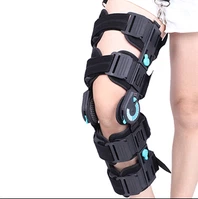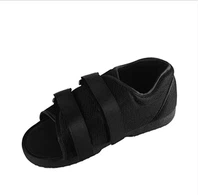

One of the most common types of physical therapy for dealing with musculoskeletal issues is the Clavicle Posture Shoulder Brace. It works with the use of one's own clavicle, which is the part of the upper bone of the neck that allows it to move up and down the person's neck. This exercise will allow the individual to strengthen their clavicle. By strengthening this piece of the body, a patient can improve their muscle mobility, increase circulation in the area, and promote stability. Clavicle postures also promote overall postural health, as well as ensuring that one's weight is more evenly distributed across one body.
There are many different clavicle postures that can be used by patients. These include but are not limited to clapping, shaking, rolling, extending, reaching, and stooping. All of these different types of postures can be done at home. In some cases, they can even be done on the office chair. However, the most effective way to work through clavicle problems is to do these exercises in the privacy of one's own home.
The key to clavicle exercises is to keep one's back straight and to keep the weight off of one's neck. The best way to do this is to lay flat on one's back, with legs slightly extended. Then, raise one leg up so that the ankle is resting on top of the top of one's foot. Slowly move the leg up over the head until it is almost touching the head in the back.
Następnie wyciągnij drugą nogę za siebie. Unieś drugą nogę w ten sam sposób, trzymając kostkę blisko czubka stopy. Powoli odwróć tył, aby głowa leżała teraz nad kostką. Odwróć się jeszcze raz w drugą stronę, tak aby głowa leżała teraz pod ramieniem, a nie nad nogą. Oddychaj głęboko, a następnie wróć do pierwotnej pozycji. Powtórz te cztery pozycje obojczyka kilka razy z rzędu.
Można również wykonywać inne rodzaje ćwiczeń na obojczyk. Jedno z takich ćwiczeń znane jest jako rozciąganie kota. Obejmuje to zginanie nóg tak, że ciało tworzy zaokrąglony łuk nad miednicą i obojczykami. Inne ćwiczenie znane jest jako doglegs i jest wykonywane przy użyciu obu rąk do podparcia przedniej części uda, pochylając się do przodu na jednej nodze i podnosząc drugą nogę prosto nad głową.
Należy pamiętać, że problemy z postawą obojczyka nie pojawiają się wyłącznie w wyniku złego siedzenia lub złej ergonomii. Mogą być również wynikiem braku równowagi mięśniowej między górną i dolną częścią tułowia. Z tego powodu ważne jest, aby przed zastosowaniem jakiegokolwiek leczenia postawy obojczyka skonsultować się z wykwalifikowanym lekarzem. Dotyczy to zwłaszcza osób, które praktykują chiropraktykę lub terapię masażu. Regulacja chiropraktyczna nie ma na celu korygowania nierównowagi mięśniowej; przeznaczony jest do korygowania podwichnięć układu mięśniowo-szkieletowego, w szczególności kręgosłupa.